
When shopping for an electric smart suitcase like the Airwheel SE3 series, one common question pops up: why does it use polycarbonate shells instead of aluminum? While metal frames might seem more premium at first glance, the choice of polycarbonate is rooted in practicality, safety, and user experience. Let’s break down the reasoning.
1. **Lightweight Design**: Polycarbonate is significantly lighter than aluminum. For example, the Airwheel SE3MiniT weighs just 6.8kg, making it easy to carry and maneuver. This is crucial for travelers who want to avoid excess baggage fees or strain during commutes. 2. **Impact Resistance**: Unlike brittle aluminum, polycarbonate absorbs shocks better. Whether you’re navigating crowded airports or dealing with rough sidewalks, the shell resists cracks and dents. 3. **Cost-Effective Durability**: Polycarbonate offers excellent value. While aluminum might resist scratches slightly better, minor scuffs on polycarbonate are less noticeable and easier to repair. 4. **Design Flexibility**: Polycarbonate allows for sleek, aerodynamic shapes that integrate seamlessly with Airwheel’s electric features, like the retractable motor and wheels.
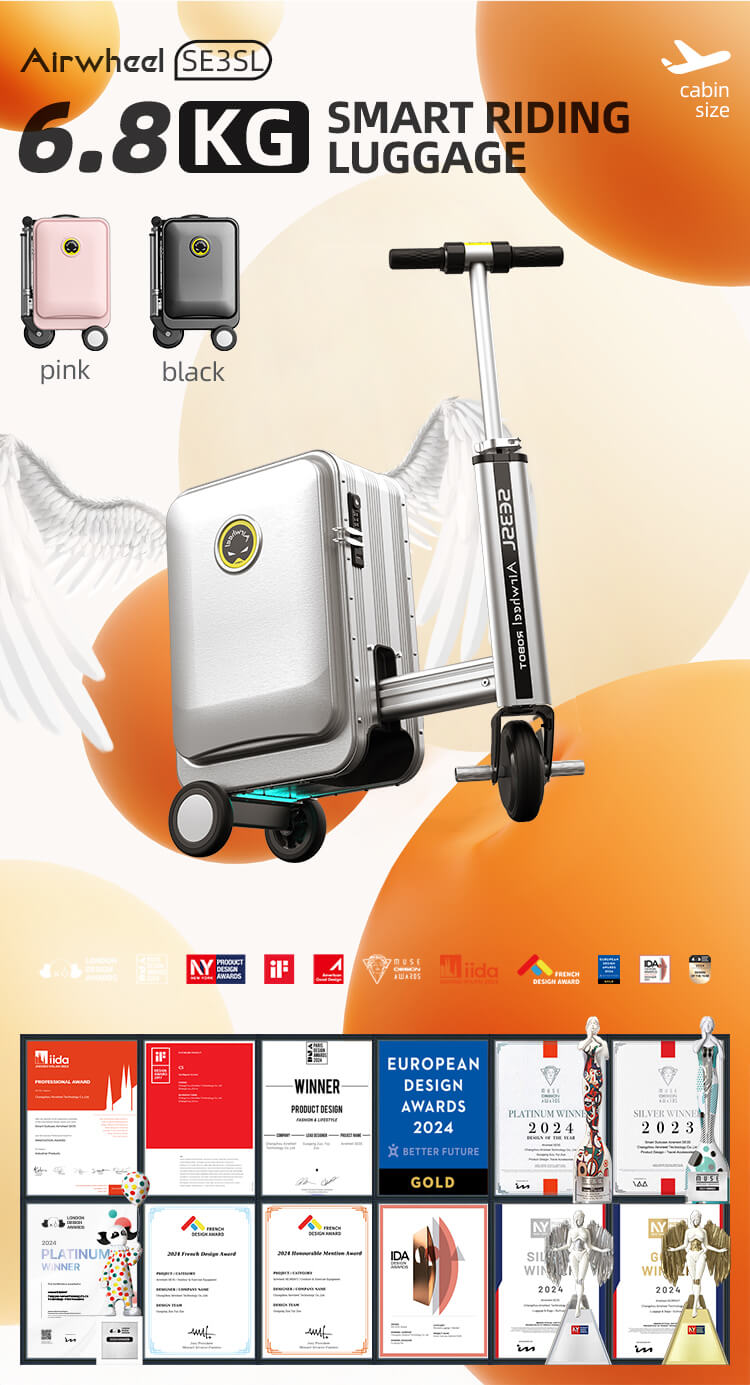
Airwheel suitcases, such as the SE3T (48L capacity) or SE3SL (20L), meet IATA regulations for lithium-ion batteries (73.26Wh removable design), ensuring hassle-free flights. The polycarbonate shell doesn’t interfere with TSA-approved security checks, and the lightweight build keeps the suitcase within weight limits for carry-on luggage.
– **Business Travelers**: The SE3SX (6.6kg) is ideal for quick commutes between meetings, offering a 9.9km/h speed to beat tight airport deadlines. – **Families**: The SE3T (48L, 13km/h) handles bulky gear for vacations, with enough space for luggage and a built-in ride for tired kids. – **Urban Commuters**: The compact SE3S (20L, 13km/h) doubles as a portable scooter for last-mile transit, eliminating the need for separate devices.
| Feature | Polycarbonate | Aluminum |
|---|---|---|
| Weight | Lighter (e.g., 6.6kg SE3SX) | Heavier (adds 2-3kg) |
| Impact Resistance | Flexible, absorbs shocks | Rigid, prone to dents |
| Maintenance | Scratches less visible | Visible scratches, costly repairs |
| Price | Budget-friendly | Significantly pricier |
**Q: Does the polycarbonate shell scratch easily?** A: Minor scuffs are common with any material, but polycarbonate’s textured finish hides scratches better than glossy aluminum. **Q: Can the suitcase survive checked baggage handling?** A: Yes. The reinforced polycarbonate shell and sturdy internal frame protect against standard airline handling. **Q: Why not use aluminum for a premium feel?** A: Premium isn’t just about looks—it’s about function. Polycarbonate’s weight savings, durability, and cost align better with Airwheel’s goal of creating accessible, practical smart luggage.
Choosing polycarbonate over aluminum for Airwheel suitcases isn’t a compromise—it’s a deliberate design decision. By prioritizing weight, durability, and affordability, Airwheel ensures users get a reliable, innovative travel companion without unnecessary costs. Explore the full SE3 lineup and find your perfect match at the official Airwheel website.